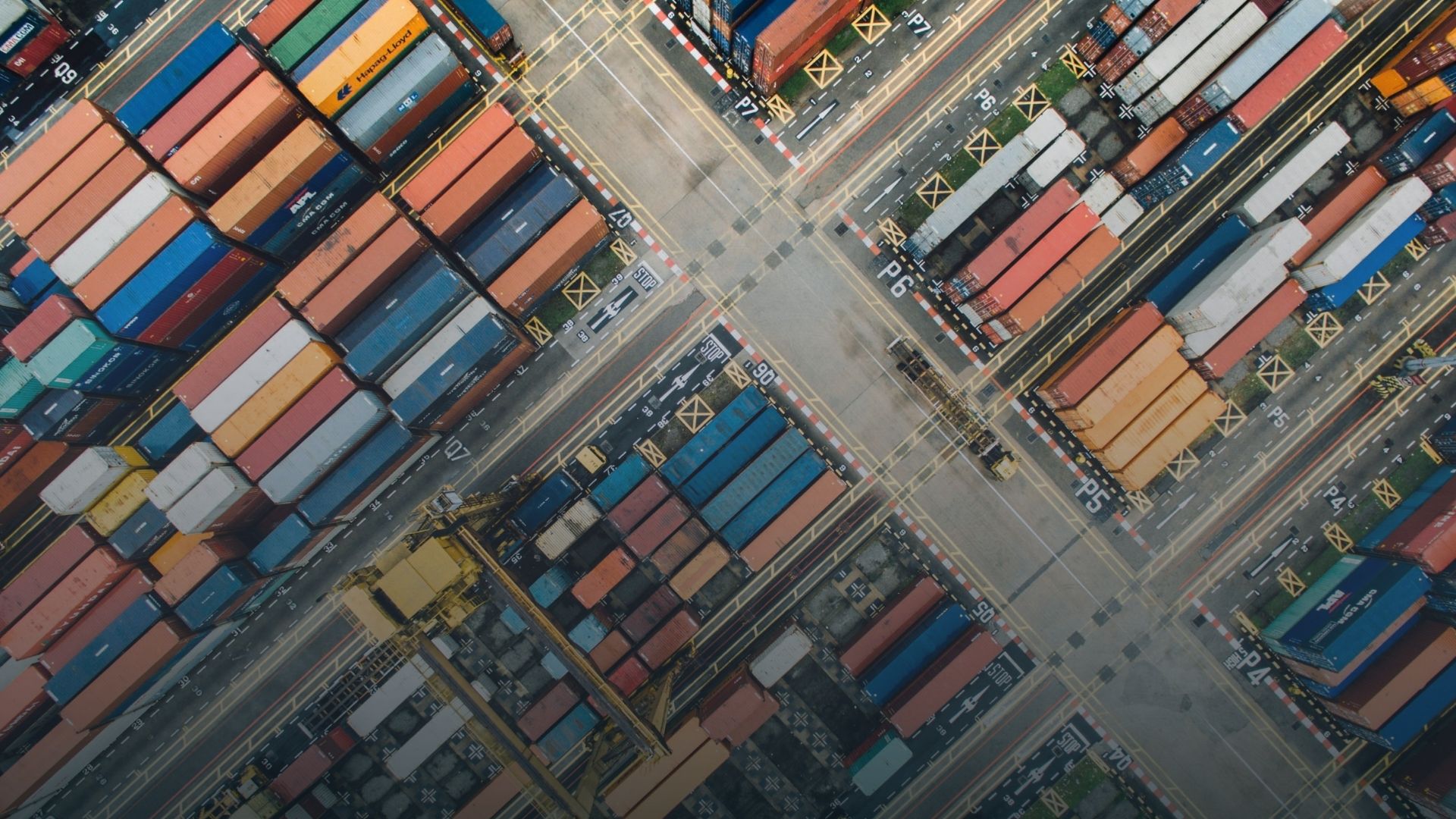
In the transportation industry, decisions are made in a constantly changing environment. Time, costs, and operational precision are paramount. Changing routes, varying cargo, driver schedules, and warehouse loads require constant adaptation, so traditional planning is increasingly unable to keep up with reality.
Artificial intelligence solutions fundamentally address this problem. They enable a shift from intuition-based decisions to systematic, data-driven management.
“In the transportation sector, complexity is growing faster than the human ability to manage it manually. Here, algorithms are becoming not just an advantage, but a necessity,” says Aistis Raudys, a developer of artificial intelligence solutions. 
Artificial Intelligence for Transportation Planning and Route Optimization
One of the biggest costs in the transportation industry is suboptimal routes. Even minor inaccuracies in planning can lead to significant losses over time.
Artificial intelligence solutions analyze:
- order flows;
- vehicle capacities;
- real-time traffic conditions;
- delivery deadlines.
Based on this data, algorithms automatically generate the most optimal routes and are able to adjust them as the situation changes.
”The greatest value comes not when a plan is created, but when it can adapt in real time,” emphasizes A. Raudys. The result is fewer empty miles, better utilization of the vehicle fleet, and a faster response to changes.
Real-Time Freight Route Optimization
The Packsender logistics platform faced a problem: 30–40% of trips ran with empty or underloaded trucks. We built a system based on Ant Colony Optimization algorithms that dynamically adjusts routes in real time, integrated directly into the client's logistics platform for ease of use. The model was trained on a dataset of 15,000 records from Cargo.lt and Trans.eu.
Result: reduced fuel costs, fewer empty trips, and lower emissions.
Warehouse Optimization Using AI Solutions
Transportation efficiency is inextricably linked to warehouse operations. It is here that “invisible” delays often occur, affecting the entire supply chain.
Artificial intelligence allows for the analysis of both historical and real-time data to optimize:
- product layout;
- picking processes;
- warehouse traffic flow.
This not only speeds up operations but also reduces the likelihood of errors.
“In a warehouse, efficiency lies in the details. Saving a few seconds in a single process adds up to hours over time,” comments A. Raudys.
Integration: From a Tool to a System Component
The most important aspect is that AI solutions should not operate in isolation. They are integrated into existing transport management (TMS) and warehouse management (WMS) systems, thereby becoming a natural part of the infrastructure.
This allows for:
- ensuring a smooth flow of data;
- avoid additional manual work;
- easily scale solutions as the business grows.
Over time, artificial intelligence becomes not just an operational tool, but also a strategic asset that helps transportation companies systematically reduce costs and increase efficiency. 
How is AI transforming public transportation management?
The value of artificial intelligence is particularly evident in public transportation systems, where it is necessary to manage large passenger flows, ensure safety, and maintain punctuality all at the same time. Cities are increasingly facing a problem: a growing population is increasing traffic congestion, and traditional solutions are no longer able to respond quickly enough. In such situations, AI solutions enable a shift to real-time management. The system collects data from cameras, sensors, and GPS, analyzes it, and makes decisions almost instantly.
“When you have thousands of moving objects, a human can no longer see the whole picture. AI allows that picture to be consolidated into a single system,” explains A. Raudys.
Solutions include:
- traffic flow forecasting;
- real-time route adjustment;
- violation detection;
- passenger flow analysis.
Predictive maintenance is also implemented, algorithms analyze the condition of vehicles and enable the early detection of potential malfunctions.
Vilnius Public Transport Safety and Efficiency
In collaboration with public transport organiser JUDU and Vilnius City Municipality, we deployed a network of 5G and AI cameras that detect traffic violations (bus lane violations and illegal parking) in real time. The system also forecasts passenger flows and performs predictive vehicle maintenance.
Result: wait times at stops reduced by up to 20%, bus lane violations down 15%, and the number of breakdowns reduced by 10%.
Klaipėda Public Transport Schedule Optimization
We addressed a similar challenge in Klaipėda. An ML-based simulation model built for KKT optimizes schedules across 31 city and 22 suburban routes. The system analyzes not only traffic conditions but also the impact of weather on routes, adjusting schedules in real time.
Result: shorter wait times, less congestion at main stops, and reduced CO₂ emissions.
FAQ
What are AI solutions in the transportation sector?
These are artificial intelligence technologies that help optimize routes, manage traffic flows, reduce fuel costs, and automate logistics processes.
How does AI help optimize routes?
AI analyzes real-time data (traffic, weather, orders) and selects the most efficient routes, thereby reducing travel time and costs.
Can AI reduce fuel costs?
Yes. By optimizing routes and driving styles, it is possible to significantly reduce fuel costs and vehicle wear and tear.
How is AI used in fleet management?
AI helps monitor the condition of vehicles, plan maintenance, and prevent breakdowns before they occur.
Are AI solutions suitable for small transportation companies?
Yes. Even small companies can use AI for route planning, order tracking, or automating customer communication.
What are the most common mistakes when implementing AI in the transportation sector?
Inaccurate data, overly complex solutions, and a lack of a clear strategy.
Can AI improve customer service?
Yes. Automated notifications, order tracking, and faster response times increase customer satisfaction.
Can AI predict demand?
Yes. AI analyzes historical data and helps forecast order flows and plan resources.
Where should you start when implementing AI in the transportation business?
Start with the biggest “pain point”, which is usually route planning, fuel costs, or order management.