Today, municipalities operate amid rising public expectations and limited resources, which is why traditional management models are increasingly unable to keep pace with change. Artificial intelligence solutions enable a shift toward data-driven management, which helps optimize processes and improve service quality.
“In the public sector, what matters most is not the technology, but the ability to make better decisions faster,” says Aistis Raudys, a developer of artificial intelligence solutions. 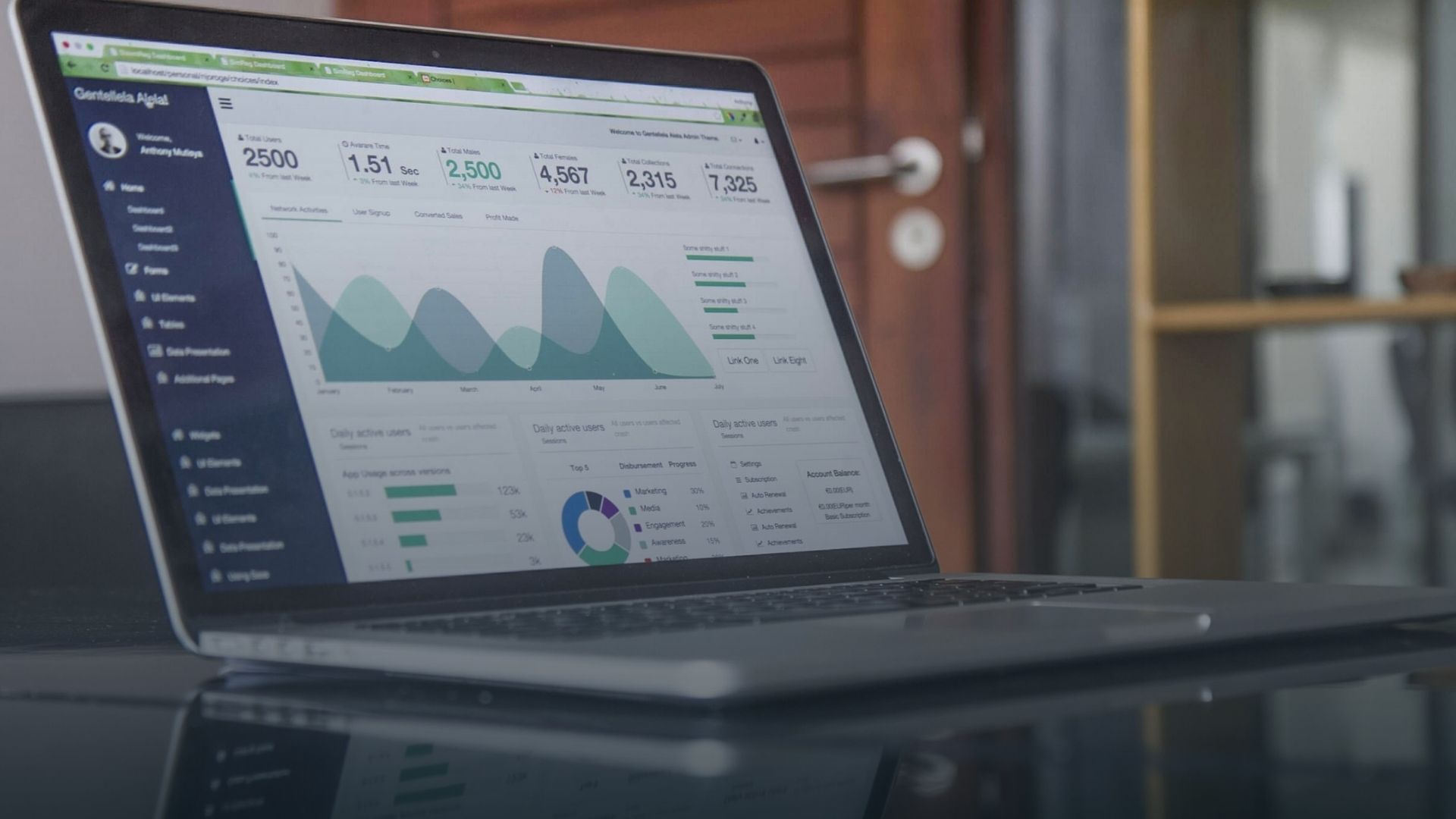
Automation and Data Analysis in Day-to-Day Operations
In municipalities, AI is most commonly used in resident services, document processing, and inquiry management. Automated systems enable faster information processing, reduce manual labor, and ensure consistent service delivery even during high-volume periods. At the same time, artificial intelligence enables the analysis of data on transportation, social services, or infrastructure, the forecasting of needs, and more accurate budget planning.
How does AI optimize public transportation?
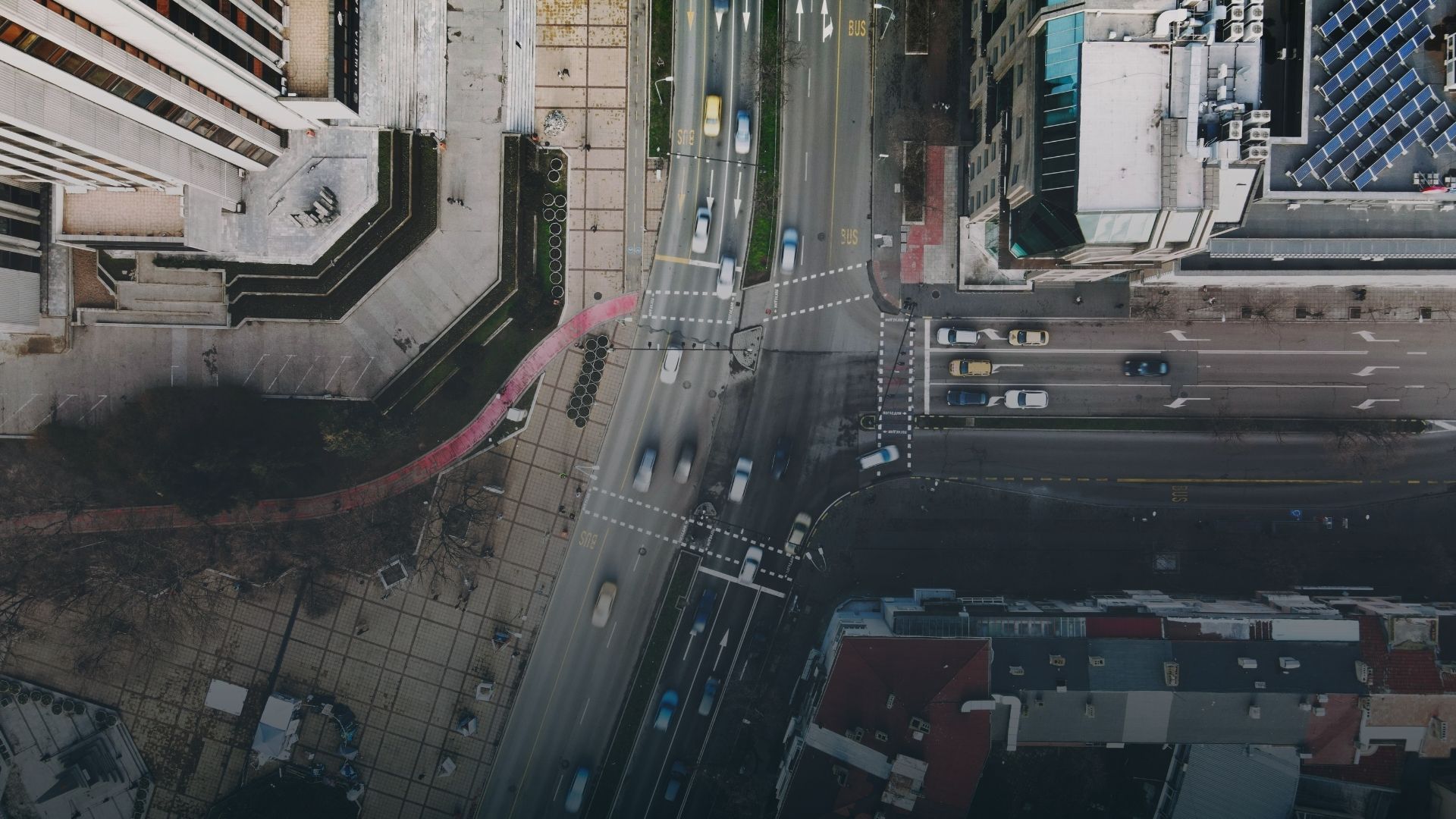
In practice, the value of AI is particularly evident in transportation management. For Klaipėda public transport (KKT), an ML-based simulation model analyzes real-time and historical data from 31 city and 22 suburban routes, forecasts passenger flows, and proposes schedule adjustments. Before the solution was implemented, typical problems were common: uneven flows, overlapping vehicles, and unreliable schedules. By processing historical and real-time data, the system was able to forecast demand and propose more accurate route and schedule solutions.
”Such models allow us to view the system not in fragments, but as a whole. This fundamentally changes the quality of planning,” emphasizes A. Raudys.
The result is shorter wait times, less congestion at main stops, and reduced CO₂ emissions.
Smart Solutions for Passenger Service
Another example is solutions that optimize boarding processes on local buses. In collaboration with Kautra, using image recognition technology and 5G cameras, the system automates real-time verification of student and senior discount passes. It operates on Android and iOS platforms and is integrated with ticket purchasing and route planning functions.
Result: boarding process sped up by up to 20%, and bus overcrowding on popular routes reduced by 15%.

Social Services Administration
AI in municipalities is useful beyond transportation. It can fundamentally transform the administration of social benefits as well. For Druskininkai municipality, we built an AI assistant that automates the processing of social support applications: OCR technology reads submitted documents, the system cross-checks them against national registries, generates draft decisions, and automatically sends notifications to citizens. The solution is primarily aimed at low-income families, elderly people, and refugees, groups for whom administrative barriers often become an additional burden. The final decision is still made by a qualified employee, but their efficiency is significantly increased.
Long-Term Value for Municipalities
Such solutions demonstrate that artificial intelligence in municipalities is not merely a technological innovation. It is a strategic tool that enables more efficient city management, reduces costs, and better addresses residents’ needs.
Over time, AI is becoming not just an additional solution, but a vital part of the infrastructure, enabling municipalities to operate faster, more accurately, and more sustainably.
FAQ
What are AI solutions for municipalities?
These are artificial intelligence technologies that help automate public services, improve resident services, and manage city resources more efficiently.
How can AI be used in municipalities?
Most commonly, for handling resident inquiries (chatbots), document processing, traffic management, optimizing waste collection, and analyzing public services.
Can AI improve resident services?
Yes. AI allows for 24/7 responses to questions, faster processing of requests, and reduced wait times.
How does AI help manage urban infrastructure?
AI analyzes data on traffic, energy consumption, and waste to help make more effective decisions.
Can AI be used for document management?
Yes. AI can automatically sort, analyze, and summarize documents, saving employees time.
What are the biggest benefits for municipalities?
Lower administrative costs, faster processes, greater transparency, and a better experience for residents.
Are AI solutions expensive for the public sector?
Not necessarily. There are both standard solutions with low costs and larger projects with long-term returns.