The energy sector is currently experiencing one of the greatest transformations in its entire history. More and more countries and companies are working to transition to more sustainable energy sources, reduce CO₂ emissions, and increase energy efficiency. But this transition is not straightforward. Renewable energy sources such as solar and wind power are intermittent and depend on environmental conditions. This is why traditional energy management methods are becoming insufficient.
This is precisely where artificial intelligence (AI) plays the most important role, enabling analysis of vast amounts of data, forecasting energy demand, and optimising energy distribution in real time.
Energy systems are becoming increasingly complex
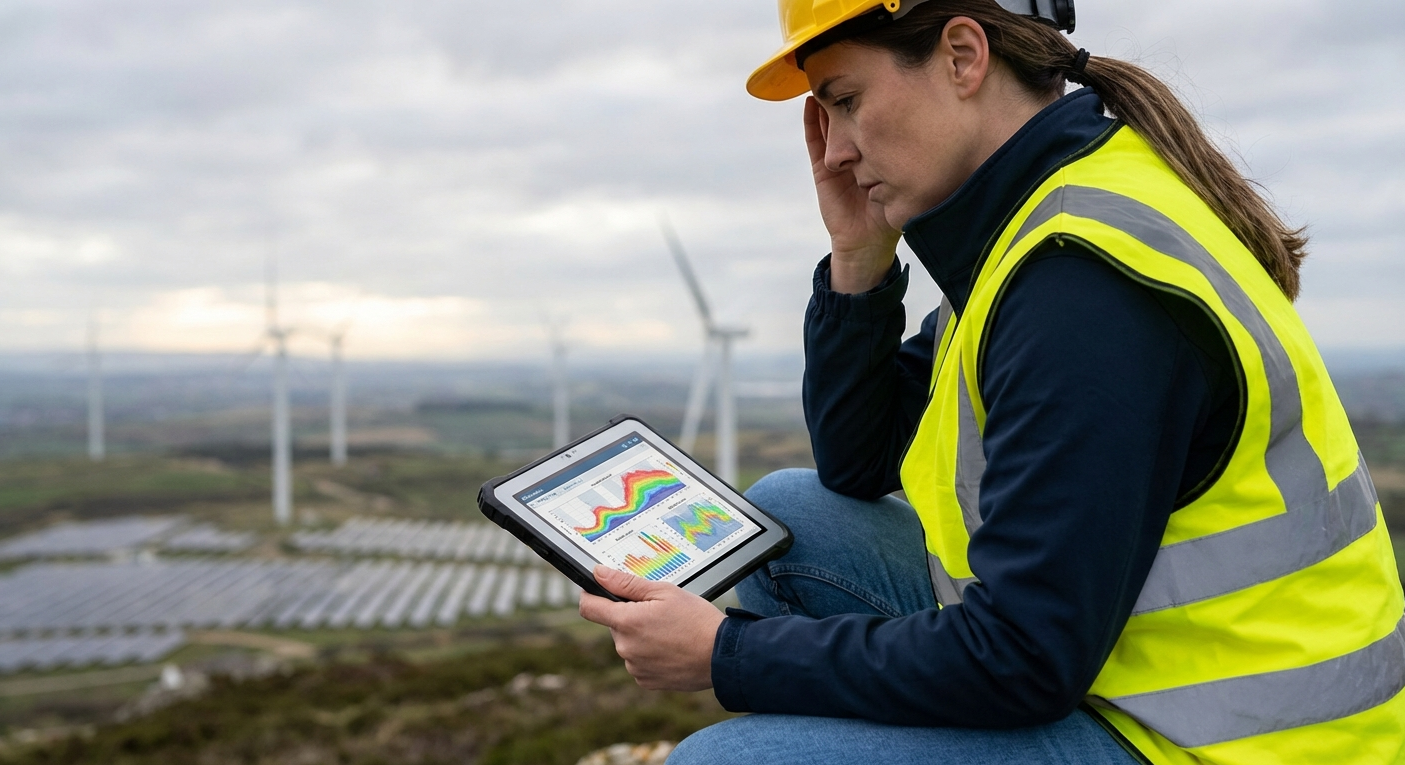
Traditionally, energy infrastructure was highly centralised – large power plants generated energy, and the grid distributed it to consumers. Today, the situation is completely different.
Renewable energy sources are creating a decentralised energy generation model, where energy is produced by thousands of different sources: solar plants, wind farms, energy storage systems, and even individual households.
In such a system, there is a constant need to balance:
- energy generation and consumption;
- energy storage in batteries;
- grid loads;
- energy price fluctuations on the market.
These processes generate enormous amounts of data that are practically impossible to analyse manually. This is why AI algorithms are becoming essential for ensuring stable and efficient operation of the energy system.
Forecasting – the key to sustainable energy
One of the most important applications of AI in the energy sector is predictive modelling.
AI can analyse historical data, weather forecasts, consumption trends, and other factors to accurately predict energy demand. This allows energy operators to plan generation in advance and avoid both surplus and insufficient supply.
For example, AI models can forecast:
- electricity consumption peaks in different regions;
- changes in wind or solar energy generation;
- potential grid overload issues.
Such forecasts help optimise energy distribution and reduce energy waste, which is an essential step towards climate neutrality.
The development of smart grids
AI is one of the key technological elements in building smart grids. These systems can automatically respond to real-time changes in energy generation and consumption.
Using AI algorithms, it is possible to:
- automatically regulate energy flows in networks;
- detect potential faults before they occur;
- optimise the operation of energy storage systems;
- reduce energy losses during transmission.
Such technologies not only increase the stability of electricity grids but also enable more efficient integration of renewable energy sources into the overall energy infrastructure.
Energy efficiency in business

The energy revolution is taking place not only in national electricity grids, but within companies themselves. More and more organisations are using AI solutions to monitor energy consumption in their infrastructure and optimise processes.
AI algorithms can analyse energy consumption data in production lines, buildings, or logistics systems and provide recommendations on how to reduce energy costs. This allows companies not only to reduce operating costs but also to contribute to their sustainability goals.
For example, in one of our projects we examined energy consumption optimisation at a water park in Sweden. The solution is based on AI models that analyse historical and real-time data – visitor flows, weather forecasts, and energy prices – and automatically optimise the operation of heating, ventilation, and water filtration systems accordingly. Such models enable dynamic regulation of infrastructure operation and maintain comfort for visitors while reducing energy consumption.
Solutions of this type can reduce energy consumption in large-scale infrastructure by up to 15–20%, which not only lowers operating costs but also helps organisations achieve their long-term sustainability goals.
Why AI is becoming essential for the energy transition
The energy sector is moving towards an increasingly digitised infrastructure, where decisions must be made quickly and based on large amounts of data. AI enables this data to be transformed into practically applicable insights.
Without AI technologies, it would be almost impossible to:
- efficiently integrate large-scale renewable energy sources;
- forecast changes in energy consumption;
- manage complex grid processes in real time;
- optimise energy consumption in industry and infrastructure.
This is why AI is becoming one of the most important tools for achieving both business and public sustainability goals.
Ready for the energy future?
The energy transition requires advanced technological solutions and deep data analysis expertise. Contact us to find out how AAI Labs specialists can use AI to help your organisation achieve its sustainability goals.